Ketosis vs. Ketoacidosis

Ketosis (explained in the “How it Works?” section of this website) is a process in which the body uses fats instead of carbohydrates to fuel itself. The liver breaks down fatty acids found in the body into chemicals called ketones. These ketones are then sent into the bloodstream to fuel the body. People on the ketogenic diet aim to induce nutritional ketosis (healthy number of ketones in the bloodstream). However, this diet is potentially dangerous, if one starves themselves on the keto diet the body produces too many ketones which can be life threatening. When the body has consumed no or few carbs, fats or proteins it will break down stored fats and proteins impulsively to create ketones, this process is called ketoacidosis. The extreme high level of ketones produced, can turn blood acidic, and can be deadly if not treated immediately.
Effect on Digestive System
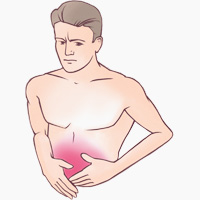
When your body is in Ketosis it doesn’t only need to adapt to the change of fuel, but also must learn how to digest the increased fat and protein consumption.
Image: (Simon, “What Your Upset Stomach is Trying to Tell You”, 2017)
Digestive enzymes are key to good digestion, as they break down fatty acids (lipases) , digest starches and sugars (amylases and maltase) and break down protein (peptidases and protease). Nonetheless, when the body is in ketosis it can not create enough enzymes to break down a large amount of fats and proteins. This could cause people on the keto diet to experience side effects such as trouble urinating, diarrhea, constipation, nausea, bad breath. Many people who start the keto diet consider taking digestive enzyme supplements as these supplements will help your body break down the additional fat consumed and also helps absorb all the satiating nutrients found in the fat-rich foods. (“Should you try the keto diet?”, 2018)
Advantages & Disadvantage Ketosis

Although the keto diet differs from one person to another, it is important to know the benefits and disadvantages of the diet, to see if it is suitable for you.
PROS
Helps with Weight Loss; when your body is in ketosis, it is in a fat burning mode, which burns stored fats. Also your body doesn’t retain as much water when carbohydrates are not present, which can also contribute.
Improved Insulin Levels; Research shows that since there is a drastic reduction of carbohydrates during the keto diet, it can cause a reduction in blood sugar levels and insulin fluctuation.
Reduced Appetite; Since fat-rich foods are more satiating, people often don’t get as hungry on a keto diet, which will improve their relationship with food.
Mental Focus; Studies show that people in ketosis, have a more enhanced mental clarity, then people who eat a diet consisting of carbohydrates. This is because the brains preferred fuel is ketones, as it works better when it burns fat rather than glucose.
Healing; Although it does not cure cancer, studies have shown that the keto diet can help kill cancer cells. As well as treat and even reverse cognitive impairments such as alzeimers.
CONS
Nutrition Deficiencies; deficiencies are extremely common when in ketosis, because a lot of whole foods such as fruits and whole grains are not consumed as they are high in carbohydrates. Nutrients such fiber, vitamin B and minerals (iron, magnesium, zinc) can be forgotten, as they are found in few keto friendly foods, or if you don’t have proper guidance.
Keto Flu; A common disadvantage of being in ketosis is its flu like symptoms, especially when the body first goes into ketosis. Some symptoms are hunger, headaches, nausea, fatigue, irritability, and constipation. However, these symptoms are mostly temporary, and are only prominent when you first begin the diet, as the body needs to adapt to the change in fuels.
It is Difficult to Stay in Ketosis; Since the diet is restricted to a specific amount of each macronutrient (fat, protein, and carbs) to stay in ketosis, all meals must be planned and calculated in advance. Time and effort is needed for this diet to succeed, and keep a healthy level of ketones in the body.
Info retrieved from; (“Should you try the keto diet?”, 2018)
 Ketogenic Diet